What is feta cheese?
Feta cheese is a salty, crumbly cheese with a brilliant white colour. Hailing from Greece, it is classified as a Product of Designated Origin (PDO), a special title given to ingredients such as halloumi, Champagne and Parmigiano Reggiano, that originate from a specific geographic location. This means any product referred to as feta must adhere to certain requirements. You might see phrases like Greek-style feta or salad cheese, which refer to products similar to feta that don’t adhere to the PDO guidelines.
What is feta cheese made from?
Traditionally, feta is made with mostly sheep’s milk and up to 30 per cent goat’s milk. When feta is made, lactic acid bacteria is added to the milk, followed by rennet enzymes to curdle the milk and separate the curds from the whey. Once the curds and whey are separated the curds are placed into moulds, salted then eventually brined.
Is feta goat's cheese?
Feta is made from a combination of sheep and goat’s cheese. To be classified as a PDO, 70 per cent of the goat’s milk used in feta must be from goat’s raised in a particular part of Greece.
Is feta dairy?
Yes, feta is dairy. Although feta is made from sheep and goat’s milk rather than cow’s milk, it is still considered a dairy product.
There are plant-based, dairy-free feta alternatives (usually referred to as ‘Greek-inspired cheese’), which might use other ingredients like coconut oil instead of milk to make a product similar to feta. If you’re looking for inspiration for cooking with dairy-free cheese, explore our dairy-free recipes.
Is feta good for you?
Feta is high in calcium, which supports the maintenance of normal bones.
Compared to other cheeses like Cheddar, feta cheese is lower in fat and calories per 100g – 100g of Tesco Greek Feta Cheese is 34 per cent lower in fat and 33 per cent lower in calories than 100g of Tesco Mature Cheddar. However, it is still high in fat and saturates and contains a lot of salt because of the brine used to make the cheese. Having too much salt in our diets can be a cause of high blood pressure*.
Can you eat feta when pregnant?
Feta is safe to eat when pregnant as long as it is pasteurised. Most feta is safe to eat since it is made using pasteurised sheep and goat’s milk, but if you’re unsure about whether something is safe to eat, refer to the NHS guidelines and always ask your GP**.
Does feta cheese melt?
Yes, feta cheese does melt, but not in the traditional sense. It doesn’t form long gooey strings of melted cheese like mozzarella, which is perfect for the ultimate grilled cheese sandwich. When feta melts it becomes soft, creamy and spreadable, losing its crumbly texture and becoming similar to cream cheese.
The best way to melt feta is by baking it in the oven or putting it under the grill. The soft melted cheese makes a delicious pasta sauce, like in this baked feta pesto pasta, but also works well in a dip like our baked feta and tomatoes with cucumber salad.
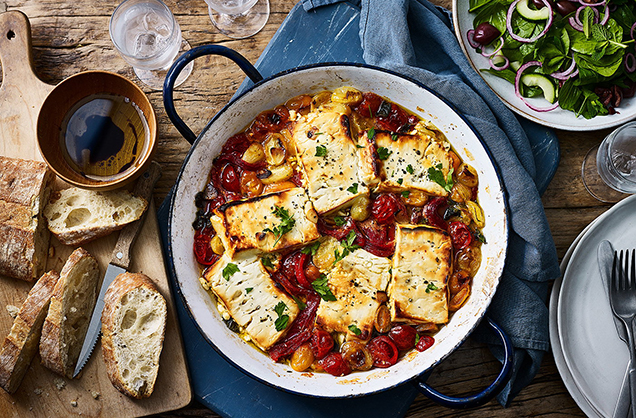
How to make whipped feta?
Whipped feta is simple to make and looks impressive if you’re hosting guests. To whip feta, simply put your feta in a food processor with a little bit of yogurt to loosen the mixture, as well as any herbs or spices you like, and blitz until smooth. In our whipped feta recipe, we use garlic, basil or chives and smoked paprika. You can enjoy whipped feta as a dip with veggies and hunks of bread for dunking, or use it as part of a larger dish, like in our honey-roasted carrot and whipped feta tart.
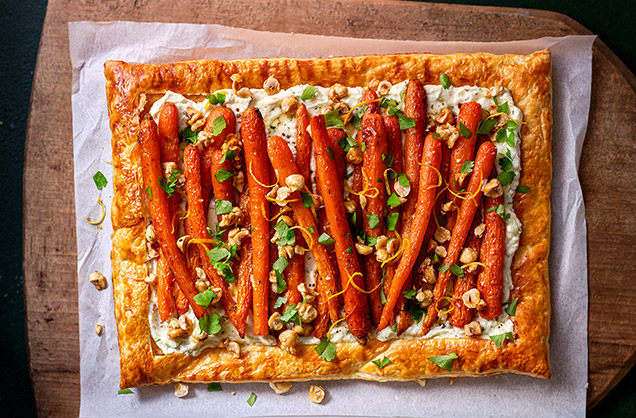
More feta cheese recipes
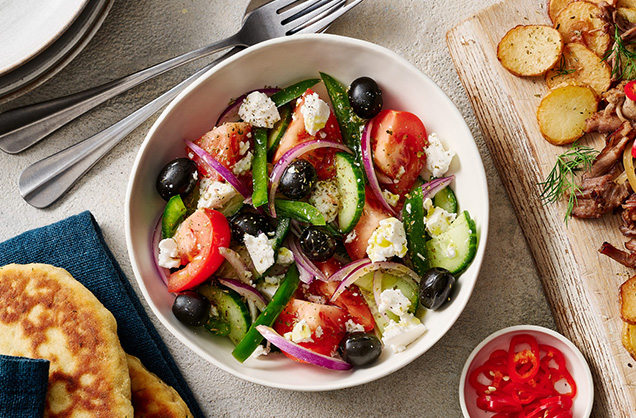
Ready to start cooking with feta cheese? Start with a classic Greek salad using sweet summer tomatoes, fresh slices of cucumber and briny black olives. Looking to try something different? Our savoury cheesecake is packed with spring onions and thyme, and topped with colourful roasted beetroot and shallots.
*source: https://www.bhf.org.uk/informationsupport/heart-matters-magazine/nutrition/cheese/healthiest-cheeses-ranked
**source: https://www.nhs.uk/pregnancy/keeping-well/foods-to-avoid/