Understanding picky eating
‘What is picky eating? When does it usually peak, and will my child grow out of it?’
Picky eating is also commonly called fussy eating and it describes a pattern where children:
- Reject new foods (food neophobia) and familiar foods.
- Consume a limited variety of foods; it’s common to see rejection of vegetables, protein-rich foods like meat or fish, and mixed dishes.
- Have strong preferences for certain foods, tastes and textures.
- Eat differently depending on the context; for example, they may be more willing to accept foods at childcare or school than at home.
These behaviours can become a worry for parents and caregivers, with mealtimes often becoming disrupted and stressful.
While picky eating can occur at any stage during childhood, it usually peaks around 18 months of age. This is not coincidental, as many features of picky eating coincide with developmental changes, such as a drive for independence and reduced energy needs for growth. Picky eating may also stem from personality traits, sensory differences and even genetics!
Whilst navigating picky eating can be challenging for parents, the good news is that most children typically progress past this stage within around two years. If you can follow some of the tips below on how to manage picky eaters, this stage could pass even sooner.
Cooking for picky eaters
How do I talk to my picky eater about food without making it a battle?’
One of the golden rules when managing picky eaters is to avoid all forms of pressure and persuasion around food during mealtimes. It’s natural to worry about what or how much your child is eating, but over-encouraging, using bribery tactics and even excessive praise can be counterproductive. In fact, research shows that pressure at the table causes children to eat less, refuse more foods and experience less mealtime enjoyment**.
Whilst it may feel unnatural at first, sometimes the best place to start at mealtimes is by talking about something else. Building that connection and enjoyment with your child at the table, without the spotlight on their eating, often means children are happier and more relaxed – making it more likely they will eat or explore something new.
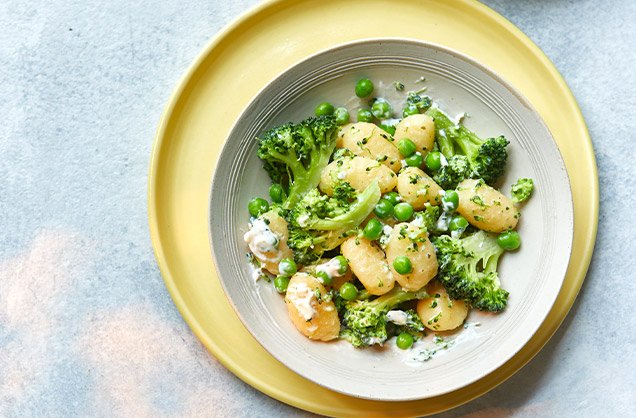
If you do discuss food, it can be helpful to use language that meets children where they are developmentally and may spark curiosity. For example, your toddler will likely enjoy imaginative play, so you could introduce a new food by saying something like: ‘Whoa, this pepper looks like a little boat.’ Similarly, using descriptive language can help your fussy toddler become familiar with a meal in a way they can relate to, e.g. ‘these peas are green and go pop!'
‘How much choice should I give them? I feel like I’m running a restaurant at home!’
Many parents of picky eaters may feel they are constantly cooking and catering to their children's requests. Whilst it’s common for children to try and take the driving seat around mealtimes and food choices, there is a balance to be struck to keep you away from ping ponging in and out of the kitchen and support children to get familiar with foods they don’t currently eat.
I would advise parents (especially those with young children) to avoid large, open-ended ‘what would you like?’ questions about food. Instead, they should decide what’s available and ensure that at each mealtime, one or two familiar or accepted foods are included. This way, parents can be confident that there is something their child will usually eat; while also exposing them to foods they hope their child will become familiar with (and, eventually, eat!).
Some concerns with cooking for picky eaters involve requests for specific or alternative foods. To alleviate this, try to include simple, closed (not open-ended) choices so they can ‘opt in’ around food and feel a sense of control e.g. ‘Mummy is cooking pasta for dinner; shall we do green peas or yellow sweetcorn?’ or ‘we haven’t got biscuits today, but shall we have banana or orange with our yogurt?’
'My picky eater’s habits are stressing the whole family – how do I make mealtimes easier for everyone?’
Food refusal and challenging mealtimes can often have a ripple effect on the whole family and many parents find meal planning, offering food and navigating these behaviours exhausting. While there isn’t a magic wand, these approaches can help take the edge off mealtime stress:
- Mindset shifts – Many parents find the Division of Responsibility*** a helpful approach to mealtimes with picky eaters. This describes the view that it’s a parent’s role to decide what food is offered and when each day, and a child’s responsibility to decide what, how much and in what order they eat what’s on offer.
- Look at what your child is doing around food – it’s easy to slip into the idea that positive progress only happens when a picky eater tries something new. However, if a food has sparked their curiosity and exploration e.g. asking what things are, touching food, licking food, your child is making progress.
- Remove blame – many parents of picky eaters assume their child’s eating is because of something they have or haven’t done. Let me tell you, it’s not! Eating is a more complex process than most people realise and lots of factors affect what and how children eat. Removing blame can help remove the drive to ‘fix’ – which can often play out as pressure and tense mealtimes.
Best food for fussy eaters
‘How can I make sure my picky eater gets enough nutrients?’
Getting enough nutrition and encouraging healthy food for picky eaters is often at the forefront of parents’ minds. The good news is that most kids meet their needs over time, even if their daily intake looks uneven. Try to avoid micromanaging every bite and instead offer a steady rotation of balanced options and food groups without pressure. Look at the foods your child will eat and rotate these through meal and snack times across the week.
Incorporating foods your picky eater already enjoys can be helpful. For example:
- Choose cereals and breads fortified with nutrients such as iron and B vitamins.
- Use oats in homemade bread, muffins and pancakes – they’re a source of soluble fibre and nutrients like B vitamins and magnesium. Fortified ready oats also contain calcium and iron.
- Get creative with eggs – they are a versatile source of protein, monounsaturated fat and iron – try adding to pasta salad or topping on pizza.
- Try a homemade granola with seeds for extra protein and fibre.
- Top porridge or cereal with grated or frozen fruit for vitamin C or yogurt for extra protein and calcium.
- Include fruit and grated veg in bakes, such as flapjacks and muffins, to help them towards their 5-a-day.
- Blend cooked vegetables or tinned beans through soup or pasta sauce to top up an array of vitamins, minerals, protein and fibre.
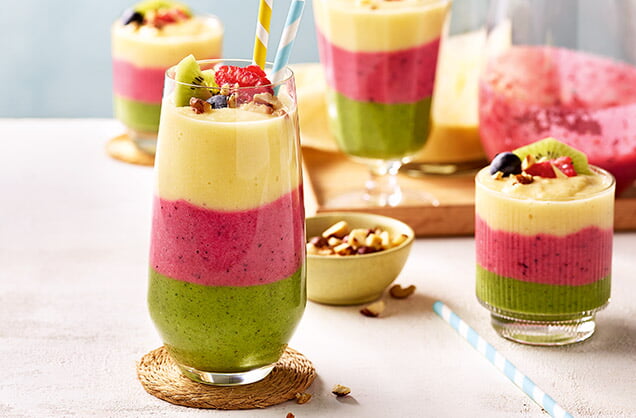
- Many picky eaters enjoy smoothies† and dips, which can provide nutrients such as calcium and protein, while feeling approachable.
Healthy meals for picky eaters
I always encourage parents of picky eaters not to overthink meals and to keep them simple, deconstructing where possible (separating out the different elements of a meal). Build from foods your child already accepts, alongside those you eat as a family – because the goal is family food and meals, not a menu of separate dishes. Here are some examples of easy meals for fussy eaters:
Breakfast ideas for picky eaters
- Smoothie bowl† – with frozen fruit, yogurt and oats (plus optional extras such as avocado and spinach).
- Wholewheat waffles or pancakes, with options to add yogurt and fruit.
- Cheese omelette or egg muffins, with toast and orange juice.
- Overnight oats, baked oats or cereal with extras (they may choose to add themselves), e.g. nut butters, desiccated coconut, grated apple, frozen berries, seeds.
- Toast with different spreads, e.g. peanut butter and mashed raspberries, tomato purée and cheese (pizza bread), eggy bread.

Lunch ideas for picky eaters
- A snack plate that children can help to create e.g. cheese, cooked lean meat, crackers, fruit, vegetable sticks, houmous.
- A pasta salad with familiar ingredients, such as chopped ham and sweetcorn, letting children add optional extras, such as cubes of cheese or a new veg.
- Sandwiches or wraps with familiar fillings make fail-safe healthy meals for picky eaters.
- A cheat’s quiche made with a wholemeal bread crust.
- Bread or pizza pinwheels with different fillings, e.g. chicken and pesto, cheese and tomato, served with houmous and grated carrot.
- Build your own pitta pizza – with options for meat, vegetables and cheese.
Dinner ideas for picky eaters
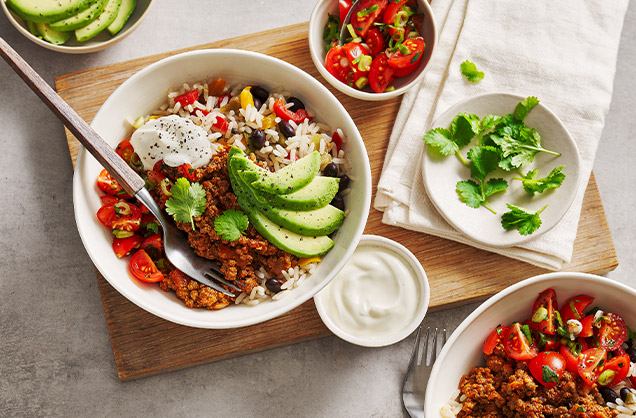
- Fajitas or burrito bowls – offer these deconstructed, e.g. wraps, grated cheese, cooked chicken or tofu, stir-fried onion and pepper.
- Pasta makes easy kid-friendly dinners for picky eaters. You could try chickpea or wholewheat pasta or even a different shape to normal. Serve with a simple sauce, e.g. pesto or yogurt, tomato, cheese, plus optional add-ins like chicken, beans or cheese.
- Tofu or egg-fried rice dishes are great vegetarian meals for picky eaters – keep it simple with one or two veg, rice and start small with the egg or tofu.
- Baked or air-fried chicken strips or homemade fish fingers, with potato wedges and peas.
Snack ideas for picky eaters
My child loves snacks – how do I stop them filling up before meals but still keep them satisfied?’
It’s no surprise that snacks are sacred for lots of picky eaters – often, snack times are low-pressure and include familiar, predictable foods. Asking for snacks is also a great way for toddlers to practise exerting their new skill – independence. I recommend keeping snack times within a regular meal-and-snack routine, avoiding letting children top up and graze all day, which often disrupts appetite for main meals.
Two snacks a day, between three meals, is a routine suitable for most children. To support nutrition for picky eaters, it can be helpful to view snack times as a mini meal. Snack food for fussy eaters doesn’t have to conform to any rules – you could offer leftover cooked pasta pieces, with some grated cheese and fruit, and use snack times as an opportunity to expose children to new foods.
Snack ideas for picky eaters can combine their preferred foods with those they are still learning about:
- Crackers with different dips or spreads like houmous, guacamole or cream cheese.
- Yogurt, but with extras to add, such as frozen fruit or seeds.
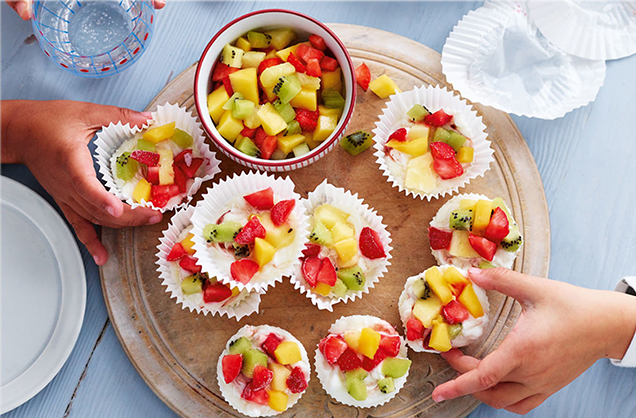
- Their favourite fruit or veg, chopped or sliced, and served with nut butter as a dip and desiccated coconut ‘sprinkles’.
Take a look at these healthy snacks for kids for more easy ideas.
‘If I could do one thing today to help my picky eater, what would it be?’
Eat with them! With the increasing demands of modern life, it can be hard to find the time to sit down together, but children develop many skills through mirroring and modelling (copying the people around them), and it’s no different when it comes to eating. Finding time in your busy week to sit and eat as a family can have a big impact on their eating. It has also been shown to have positive effects on their wider development, such as supporting language development, social and emotional skills, and much more‡.
How can you tell if it’s more than picky eating?’
Above all else, if you’re concerned that your child’s eating could go beyond fussy eating, I’d encourage you to check in with a health professional, such as your GP or a dietitian. Some signs that it could be something more than picky eating include:
- Your child has fewer than 10–15 foods they reliably eat.
- They drop foods from their diet and don’t add new ones.
- They show distress, anxiety or panic around new foods or mealtimes.
- They exclude entire food groups (e.g. all proteins, all fruits/vegetables).
- They struggle with chewing or swallowing.
- You have concerns about growth, energy levels or daily routines.
- Their eating is causing significant family stress or limiting day-to-day life.
*https://doi.org/10.1093/nutrit/nux024
**https://pubmed.ncbi.nlm.nih.gov/28315360/
***https://www.ellynsatterinstitute.org/the-division-of-responsibility-in-feeding/
†Current advice is to limit consumption of fruit or vegetable juices and smoothies to a combined total of 150ml a day (1 portion). Crushing fruit into juice releases the sugars they contain, which can damage teeth. Even unsweetened fruit juice and smoothies are sugary, so limit these to a combined total of 150ml a day. Remember to keep fruit juice and smoothies to mealtimes to reduce the impact on teeth. Source: 5 A Day: what counts? - NHS
‡https://doi.org/10.3390/nu15132841